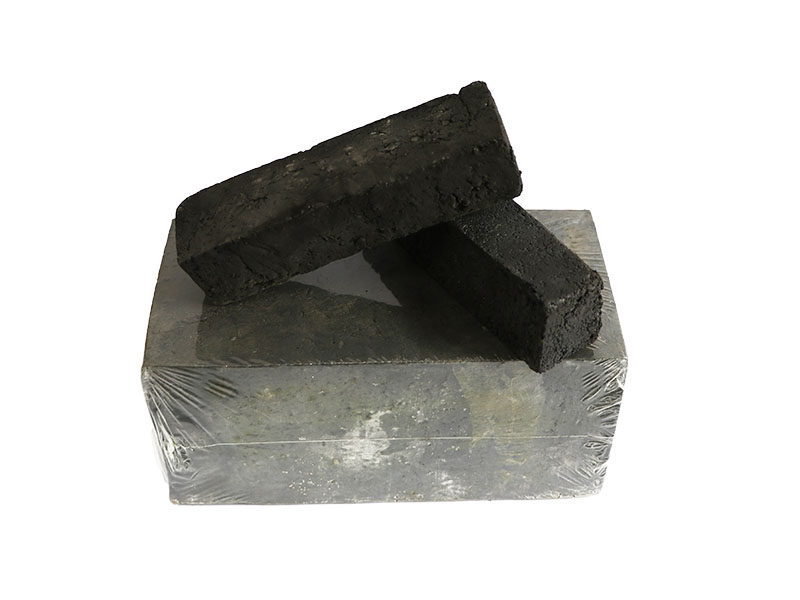
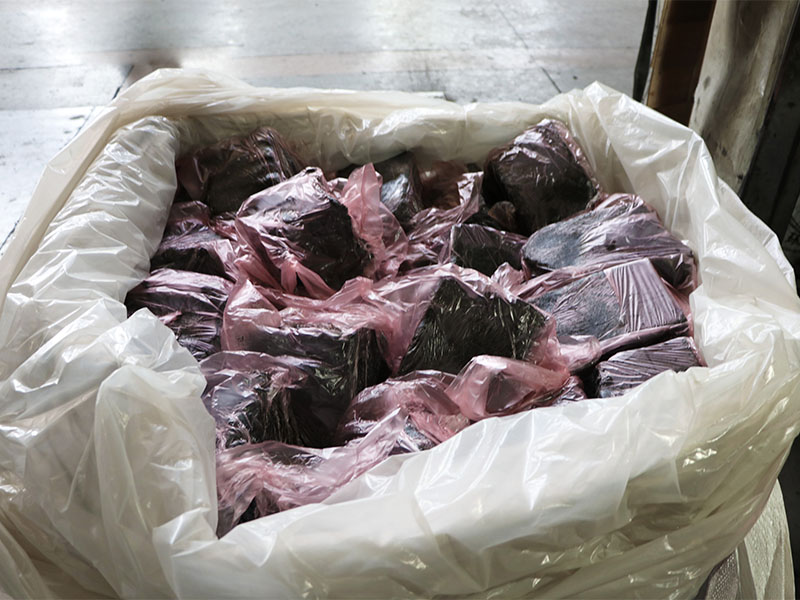
Environmentally friendly anhydrous taphole clay is an amorphous refractory material used to plug the taphole of a blast furnace. It is mainly used for large and medium-sized blast furnaces with high top pressure and high degree of intensive smelting. Compared with traditional taphole clay, it not only meets the function of plugging the taphole of a blast furnace, but also pays more attention to environmental protection and human health, and has the characteristics of low pollution and low harmful gas emissions.
Easy to operate, can form a good plug at the taphole, and will not break or loosen during the process of squeezing into the taphole.
It can quickly solidify and sinter in a short time after the blast furnace taps, forming a mud bag with a certain strength, effectively plugging the taphole, and preventing the leakage of molten iron and slag.
In a high temperature environment, it can maintain a stable volume, is not easy to expand or shrink, and avoids the problem of damage to the taphole or poor sealing due to volume changes.
It has good resistance to erosion and scouring by high-temperature molten iron and slag, which can extend the service life of the taphole and ensure the normal operation of the blast furnace.
The use of environmentally friendly binders greatly reduces the content of harmful carcinogens such as benzopyrene, and almost no yellow smoke and unpleasant odor are generated during use, reducing pollution to the environment and harm to workers' health.