Description
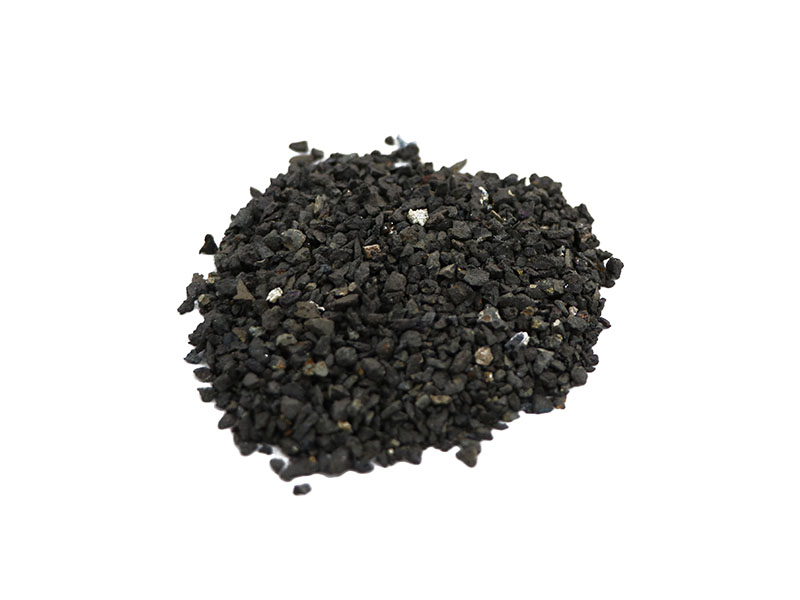
Recycled refractory materials refer to the recycling of waste refractory materials (such as steel plant skateboard bricks, nozzles, blast furnace cannon mud, etc.) used in metallurgy, building materials and other industries, and reused as raw materials for the production of refractory products. Its core value lies in resource recycling, reducing production costs, and reducing solid waste pollution. It is a key technical direction for the refractory industry to achieve green and low-carbon development.
Source scenario
- Iron and steel industry: accounting for more than 60% of refractory consumption, waste refractory materials include converter magnesia carbon bricks, ladle aluminum magnesia carbon bricks, tundish nozzles/skateboards, blast furnace clay bricks, etc.
- Building materials/chemical industry: magnesia chrome bricks for cement kilns, zircon bricks for glass kilns, corundum bricks for chemical furnaces, etc.
- Other high-temperature industries: refractory waste for non-ferrous metal smelting furnaces and waste incinerators.
Core materials
- Alkaline refractory materials: waste magnesia carbon bricks (MgO-C), magnesia calcium bricks (MgO-CaO), mainly recycling MgO aggregates.
- Acidic refractory materials: waste silica bricks (SiO₂), zircon bricks (ZrO₂・SiO₂), used for glass kiln or acid furnace lining repair.
- Neutral refractory materials: waste corundum bricks (Al₂O₃), high alumina bricks (Al₂O₃-SiO₂, Al₂O₃≥48%), can be used as aggregates for castables and prefabricated parts.