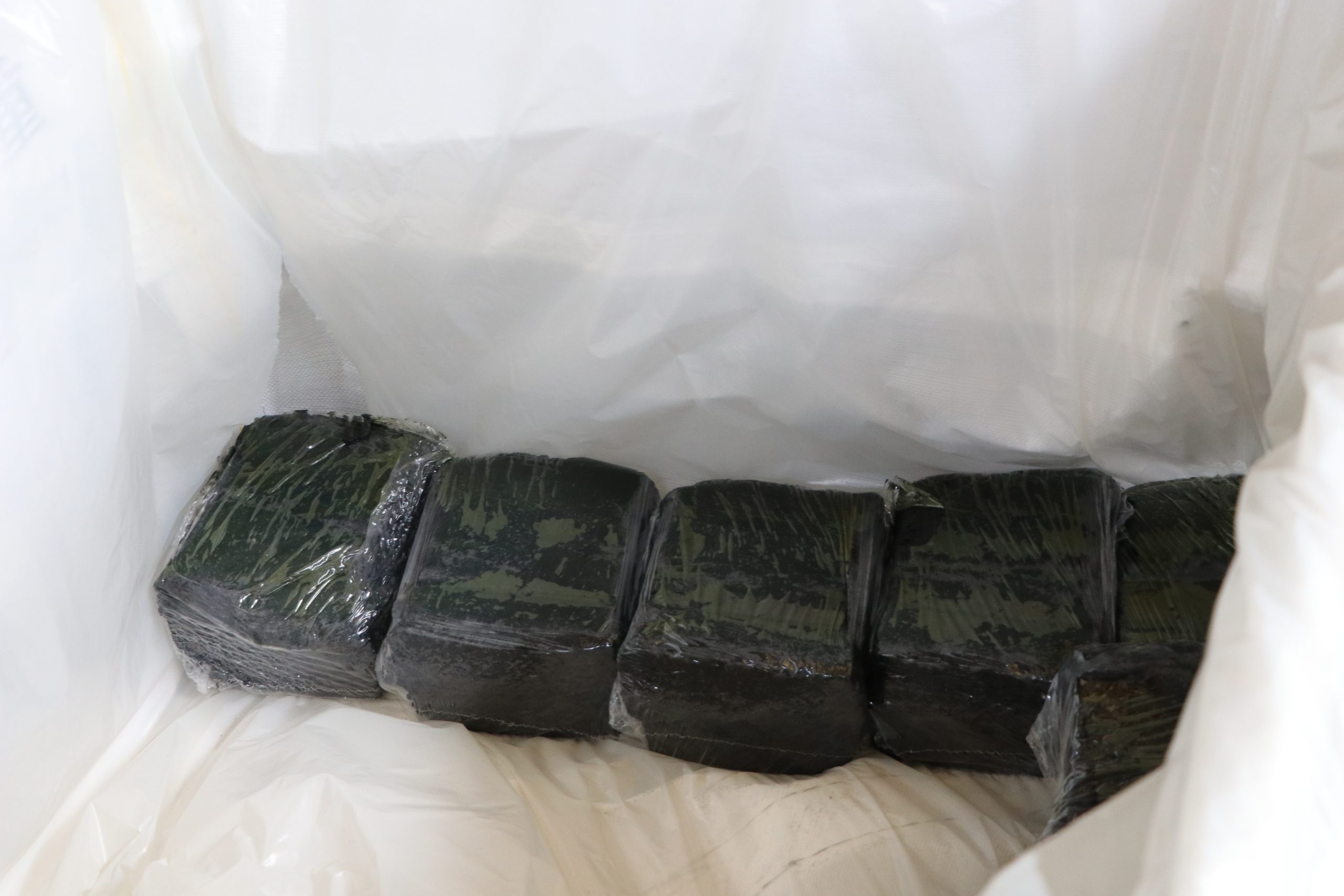
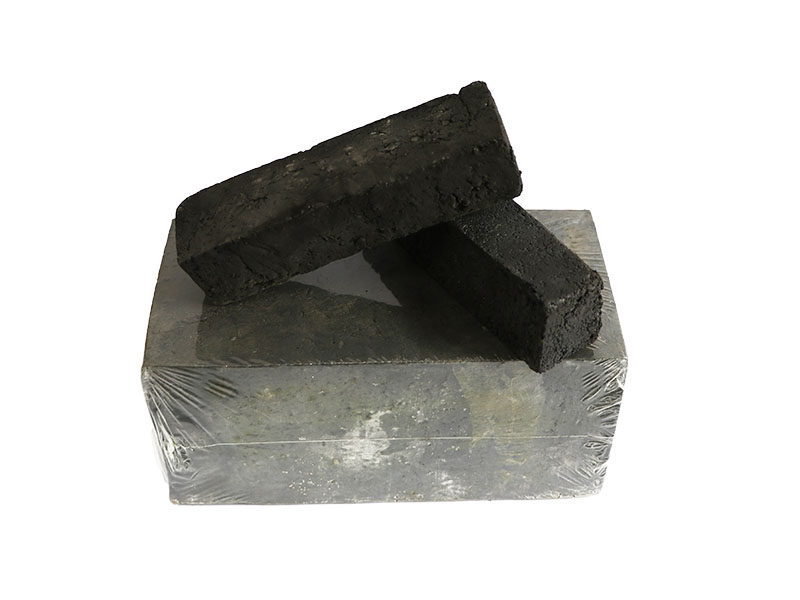
Description
The composition of anhydrous taphole clay can be divided into two parts: refractory aggregates and binders.
Refractory aggregates include refractory raw materials such as corundum, mullite, and jiaobao stone, as well as modifying materials like coke and mica.
Binders consist of organic materials such as water, tar pitch, and phenolic resin, along with additives like SiC, Si₃N₄, expansion agents, and other admixtures.
Main functions
01
Sealing the taphole
Requires excellent filling and sintering properties.
02
Stabilizing iron flow
Must allow easy opening while resisting erosion and washout
03
Protecting the hearth
Should resist cracking under rapid heating and maintain strong bonding between old and new clay.
04
Good opening performance
Ensures easy drilling by the taphole drill.
05
Moderate plasticity
Facilitates clay gun operation and forms a stable taphole mud pocket.
06
Volume stability
Minimal thermal expansion/shrinkage to prevent molten iron leakage.
- These products can be customized based on furnace conditions, offering advantages such as erosion resistance and extended tapping duration.
Successfully applied in:
- Sha Steel (2,580 m³ & 1,280 m³ furnaces)
- Fujian Sanbao Steel (1,280 m³ & 580 m³ furnaces)
- Shaanxi Steel Hanzhong (2,580 m³ & 1,280 m³ furnaces)
- Widely praised by customers for its performance and reliability.
Advantages
- High strength – Ensures stable blast furnace operation (consistent taphole depth, tapping time, and full-wind plugging rate), providing a foundation for increased production.
- Superior slag resistance – Low consumption rate (typically 1/5 of water-bonded clay).
- Controlled expansion – Optimal porosity and strength, suitable for large blast furnaces exceeding 2,000 m³.